A hidden water leak is one of the most expensive problems a homeowner can face because it stays out of sight. By the time water stains appear on a ceiling or a floor, a small drip may have been running behind a wall or beneath your slab for weeks or months, feeding mold, and inflating your water bill.
A hidden water leak almost always leaves clues before damage becomes obvious. Catch it early to reduce repair costs.
The U.S. Environmental Protection Agency estimates that household leaks waste nearly 1 trillion gallons of water nationwide every year, and the average home loses thousands of gallons annually to undetected leaks. That is water and money draining away behind the scenes.
Below are the most common signs of a hidden water leak.
One of the earliest and most reliable signs of a hidden water leak is a water bill that rises without any change in your household’s water use. If your habits stay the same but your bill jumps month after month, water is going somewhere it should not. A steady upward creep is a classic red flag that needs a closer look.
Your water meter is a built-in leak detector. Turn off every water-using fixture and appliance, then check the meter. If the dial or digital flow indicator still moves with everything off, you are losing water somewhere in the system. This simple test is one of the most definitive early signs of a hidden water leak.
A warm or hot patch on a tile or concrete floor is a sign of a hot-water slab leak. Heated water escaping beneath the home warms the floor above, sometimes in a single spot. These leaks can undermine your foundation if left unaddressed. If you feel an unexplained warm area underfoot, have it professionally located and repaired before it worsens.
If you hear hissing, trickling, or the faint rush of running water while every faucet and appliance is off, trust your ears. Water moving through a compromised pipe makes noise, and a persistent sound inside a wall, under the floor, or near the water heater often indicates a leak you cannot see.
A damp, musty smell that will not go away, especially in a bathroom, closet, or near floor level, strongly indicates hidden moisture. Leaks feed mold and mildew, which thrive in dark, damp cavities behind walls and under cabinets. The U.S. EPA notes that controlling moisture is key to controlling indoor mold.
Yellowish, brown, or damp-looking patches on drywall or ceilings mean water is reaching places it should not. Water often travels along framing before surfacing, so the stain may appear some distance from the actual leak.
Beyond stains, subtler texture changes often appear first: paint that bubbles or flakes, wallpaper lifting at the seams, or baseboards and drywall that look slightly swollen or warped. These early symptoms develop as trapped moisture saturates the surrounding material.
Flooring that feels soft, springy, or spongy underfoot, or begins to warp, cup, or buckle, often signals water damage beneath the surface. Wood floors swell and lift; tile may loosen or crack as the subfloor degrades. When a floor changes texture or shape for no obvious reason, moisture from a hidden leak is a leading suspect.
If your shower or faucets lose pressure throughout the house and it is not due to a fixture problem, a hidden leak may be diverting water before it reaches your taps. A significant break in a supply line reduces the volume available to the system, while low pressure can also stem from hard water and mineral scale buildup in your pipes.
When a slab leak goes undetected for a long time, escaping water erodes and shifts the soil beneath your foundation. This can cause new cracks in walls or flooring, doors and windows that stick, or floors that feel uneven. In North Texas, where expansive clay soils stress foundations, a hidden plumbing leak can accelerate movement. These structural symptoms are the most serious signs of a hidden water leak and require immediate professional evaluation.
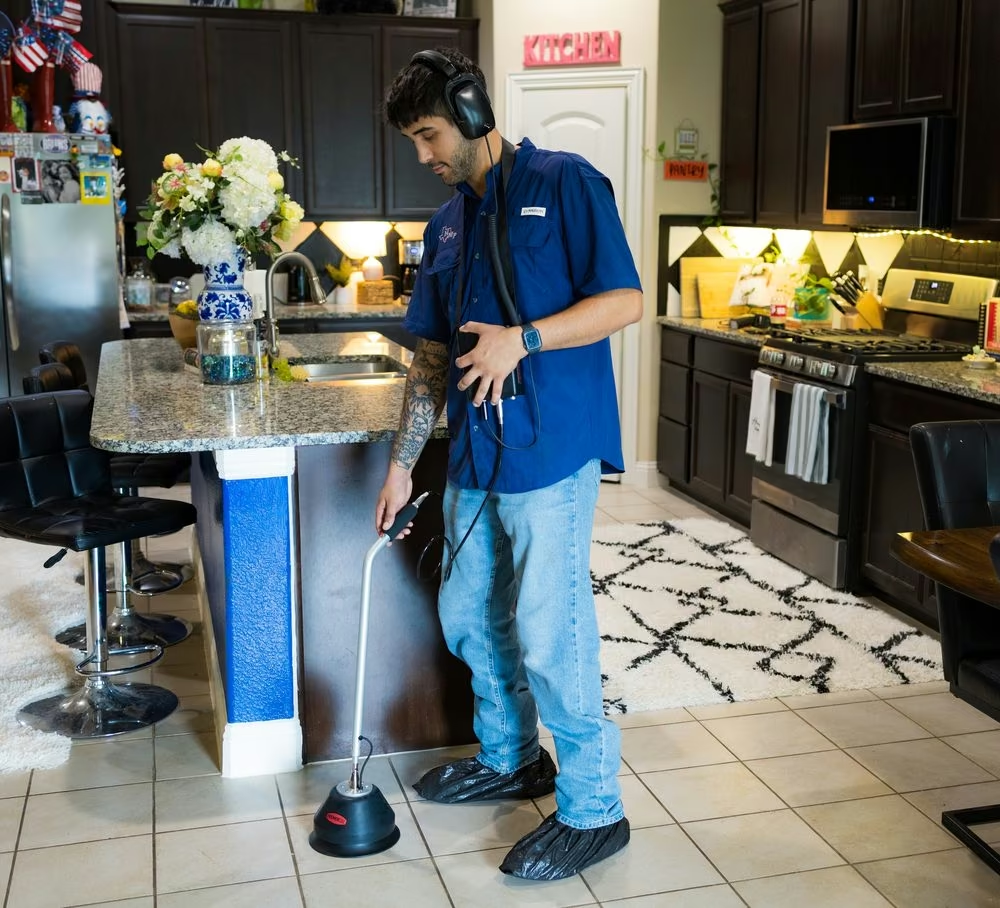
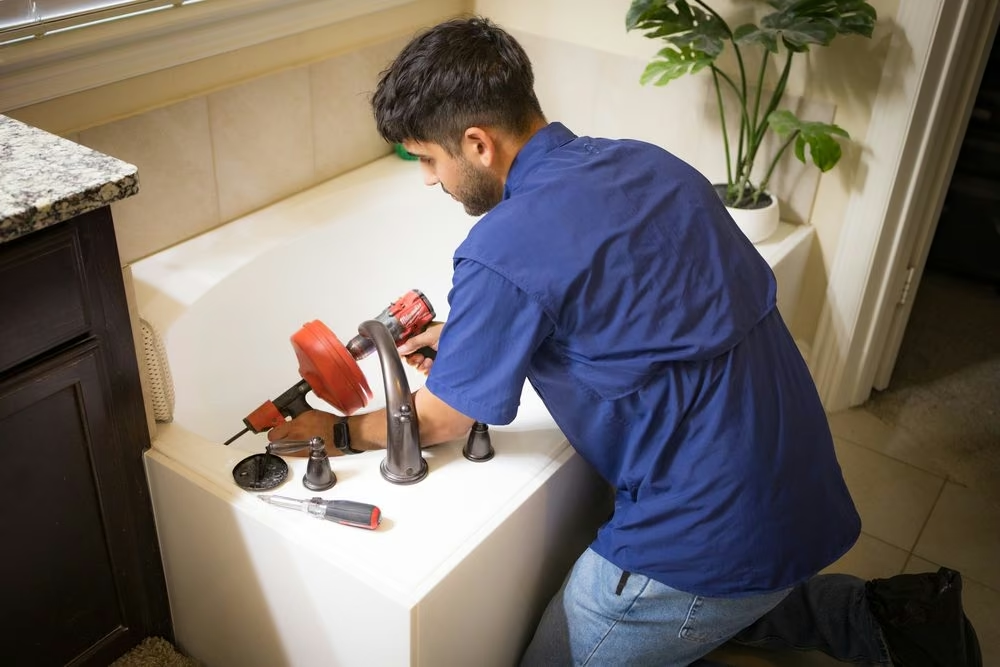
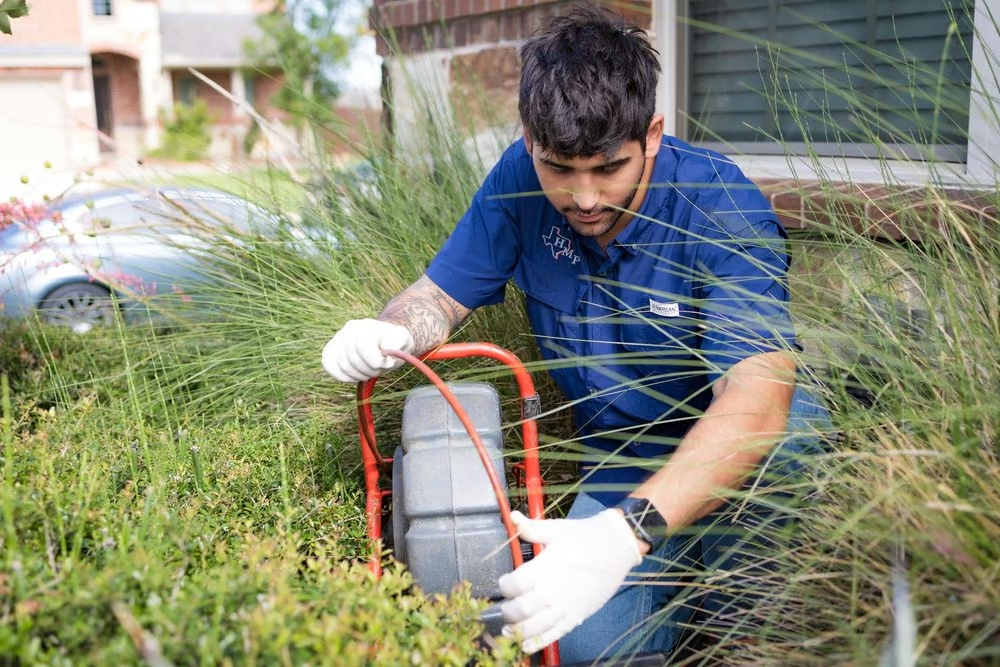
Spotting a symptom is one thing; locating the exact source without tearing open every wall is another. That is where our non-invasive leak detection earns its value. We use specialized acoustic listening equipment, perform hydrostatic and isolation testing, locate hidden slab leaks, and repair only what needs repair. This protects your home from destructive guesswork like cutting open drywall and flooring to find the leak.
Some hidden leaks are caught early and fixed in a single visit. Others are not discovered until water has damaged flooring, cabinetry, or drywall. At that point, your homeowner’s insurance may come into play. The challenge is that insurers require clear, professional documentation of the cause of the leak and the resulting damage before approving a claim.
Working with an experienced plumber matters beyond the repair. Proper leak detection provides the evidence an adjuster needs: where the leak started, what failed, and the scope of the damage. If you are navigating this process, our claim documentation and reporting support ensures findings are recorded accurately and thoroughly, so your claim rests on solid, professional evidence rather than guesswork.
Consider the experience of Louise Stewart, a repeat HMC Plumbing customer who has faced two of the toughest hidden-leak scenarios there are. The first was a sewer leak; the second, a cold water leak beneath her slab. Both times, the outcome was the same.
In her own words:
“This is the second time I have used Herndon McFarland. I had a sewer leak the first time and a cold water leak under the slab the 2nd time. Both times, they were professional, responsive, quickly located the problem, and performed a great job. I feel like I can trust them.”
Read Louise’s full Google review.
Fast, accurate location and a job done right are the whole point of professional leak detection. Louise did not just get one good experience; she got the same result twice. When a hidden leak appears in your home, dependable, expert leak detection and repair turn a stressful unknown into a solved problem.
If you suspect a hidden leak, a few quick actions can reduce the harm while you wait for professional detection:
Water damage compounds. A leak that is a minor repair today can become a structural and mold problem within weeks. Early detection costs less than waiting.
Hidden leaks demand experience and the right diagnostic tools, and Herndon McFarland Plumbing brings both. We have served Farmers Branch, Addison, and the surrounding North Texas communities since 1995, and our plumbers carry over 100 years of combined experience.
Whether you need fast, non-invasive leak detection or insurance documentation support, our team is ready when you are.
Schedule professional leak detection online today.
An unexplained increase in your water bill is usually the earliest and most reliable warning, often appearing before any visible damage. A water meter that keeps moving with everything turned off confirms it.
Yes. Hidden leaks create the constant moisture mold needs to grow, which is why a persistent musty smell with no visible source is a common indicator of a concealed leak.
Professionals use non-invasive tools such as acoustic listening devices and pressure testing to pinpoint a leak’s exact location, so repairs are targeted rather than destructive.
Often, yes. A warm area on a tile or concrete floor typically indicates a hot-water slab leak beneath the foundation and should be evaluated promptly to prevent structural damage.
Coverage varies by policy, but sudden, accidental water damage is frequently covered, while long-term neglect often is not. Professional documentation of the cause and damage is key to supporting a claim.
Skip the guesswork. Get an honest answer from a licensed North Dallas team.