Adjusters often encounter water damage claims with plumber invoices that lack clarity. Frequently, the cause of loss is unclear, the scope is minimal, and there are no photos, test results, or indication of whether the failure was sudden or gradual.
This lack of documentation delays the claim, prompts policyholder follow-up, and requires additional effort to obtain missing information. A reliable plumbing partner provides clear evidence, defensible cause-of-loss findings, prompt turnaround, and scope documentation tailored to your workflow.
This article outlines the qualities of effective plumbing reports for insurance adjusters and highlights what to seek in a vendor who simplifies your work.
Effective plumbing insurance reports follow a consistent structure. The following elements are most important for adjusters.
The most critical element in any plumber’s report is the cause of loss. It should clearly identify what failed, such as a supply line, slab leak, sewer line, or fitting, and specify whether the failure was sudden or due to long-term deterioration. Avoid vague terms like “pipe leak”; precise findings enable confident coverage decisions.
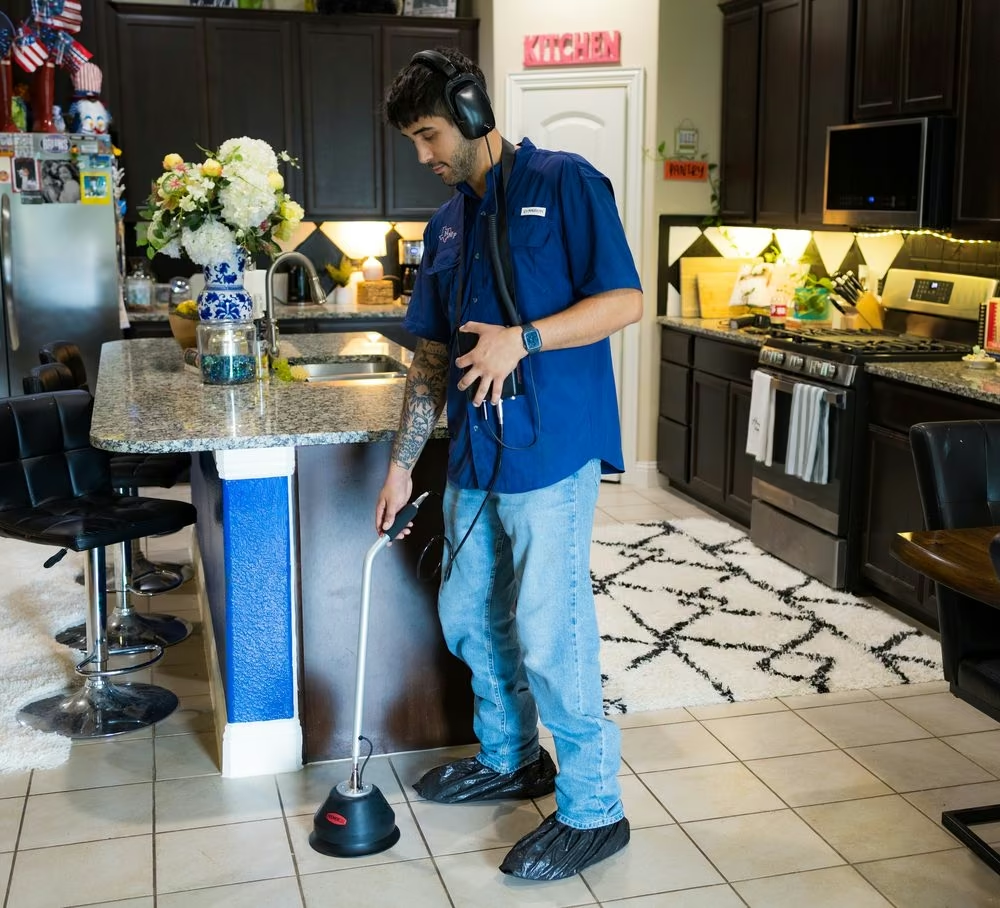
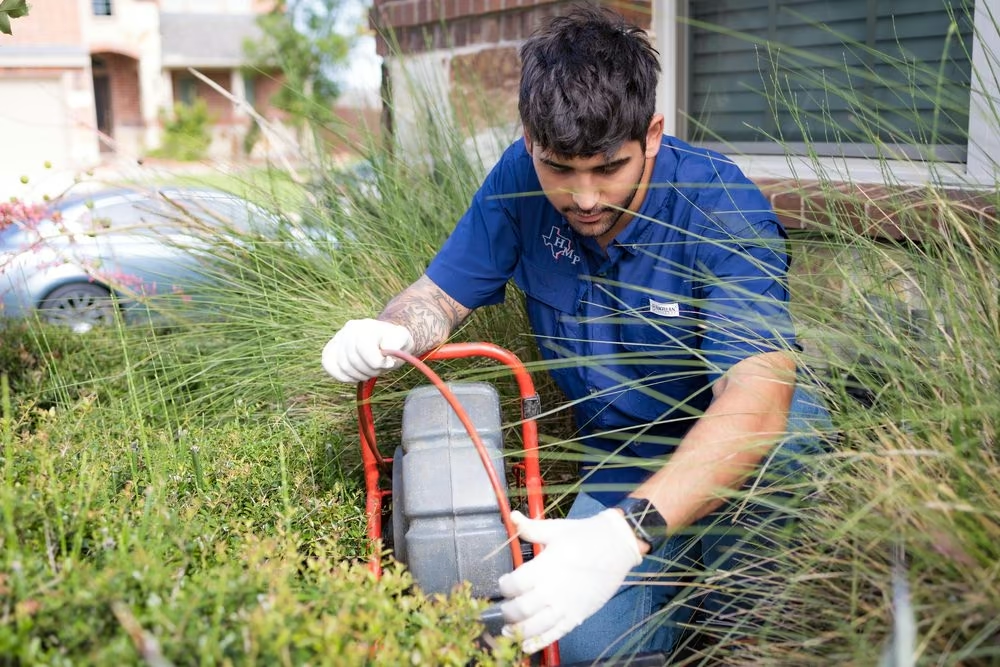
Documentation should include dated photos of the failure point, surrounding damage, and the diagnostic process. For non-invasive leak detection, supporting data is essential. HMC Plumbing uses electronic line tracing, acoustic listening equipment, hydrostatic testing, and isolation testing to accurately locate concealed leaks. This process provides the objective evidence adjusters need to substantiate the loss.
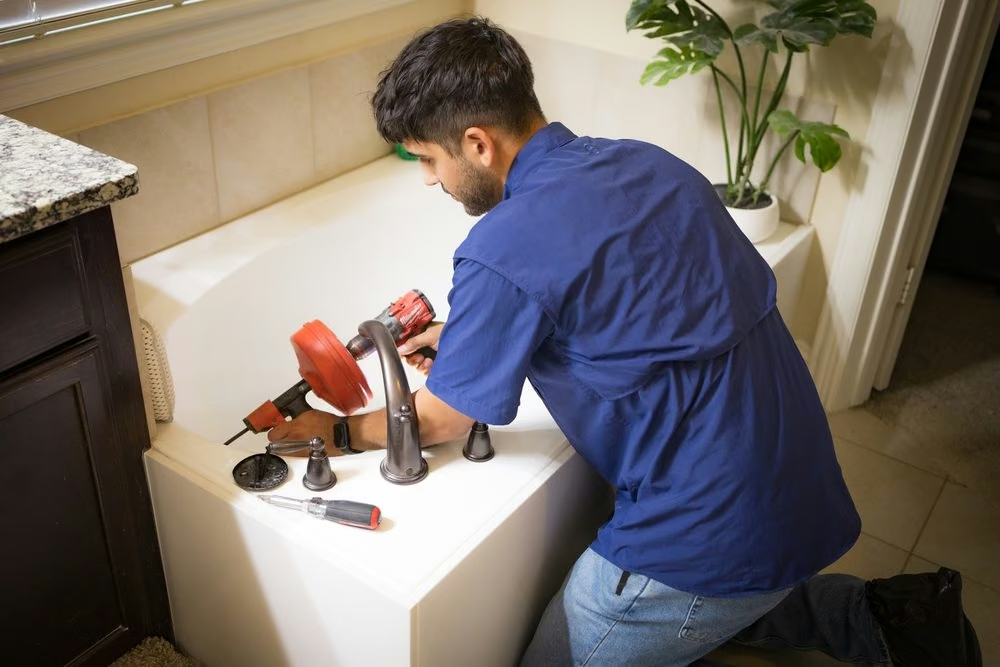
A useful report distinguishes the cause from the scope and clearly itemizes the work performed. It should specify what was damaged, what repairs are needed, and how they are related. Clear scope documentation enables accurate comparison of estimates and line-item validation, reducing delays, especially in complex cases such as slab leaks or sewer line repairs.
Repairs involving supply, drainage, or gas systems typically require permits and must comply with plumbing codes. A licensed plumber who adheres to the Texas State Board of Plumbing Examiners rules provides documentation on permitting and code compliance, reducing the risk of future code-related issues. This regulatory awareness demonstrates a vendor’s understanding of insured repair requirements.
Both documentation quality and speed are essential. Even a thorough report is ineffective if delayed, as it stalls the claim, frustrates the policyholder, and increases cycle time. Delays also extend water exposure, increasing the risk of secondary damage such as mold, which the EPA notes can develop within 24 to 48 hours of water intrusion.
A responsive plumber offers prompt scheduling to limit damage and delivers reports quickly to keep claims on track. Consistent responsiveness distinguishes vendors who reduce your workload from those who add to it.
In water-damage claims, the plumber is often the only licensed professional to inspect the point of failure before repairs are made. As a result, the plumbing report is a critical document that establishes what failed, why it failed, and whether the damage is covered by a peril.
Coverage often depends on distinguishing between sudden, accidental damage and long-term, gradual deterioration, a distinction many policies explicitly make.
Adjusters can only support their determinations with proper documentation. Insurers require a technical narrative, supporting evidence, and a clear scope, all provided by a licensed plumber whose findings withstand scrutiny.
Adjusters should not rely solely on a vendor’s self-description. A proven track record, supported by endorsements from policyholders and insurers, is most important.
For example, Jessica D., a DFW homeowner, experienced a significant loss that required the full replacement of the sewage system beneath her slab foundation. In such cases, project scope can expand, costs may rise, and homeowners often feel anxious about the disruption and the insurer’s response.
HMC was recommended to her directly by her insurance company, rather than through a cold call. The subsequent service exemplifies the execution that adjusters seek for complex claims.
As Jessica described it:
“Herndon McFarland was recommended to us via our insurance company… They made quick work of the laborious project, took a lot of time to walk us through the process and options as more things popped up throughout the project, and worked well with our insurance company… We highly recommend their services and will be using Herndon McFarland for all of our plumbing needs moving forward.”
Read Jessica’s full Google review.
This combination of thorough documentation, skilled work on major under-slab losses, transparent management of scope changes, and effective cooperation with the carrier reflects what adjusters seek in a plumbing partner.
Herndon McFarland Plumbing has served Farmers Branch and the greater DFW area since 1995, offering over 100 years of combined experience in assisting adjusters and handling insured plumbing work. We routinely manage the types of losses that drive water-damage claims and document them to meet adjusters’ standards.
For adjusters, our value lies in detailed reporting, clear cause-of-loss findings, dated photographic evidence, itemized scope, and responsive service. We ensure the documentation process is efficient and cost-effective, as we do for all our clients.
Call (972) 421-8848 to add a dependable plumber to your preferred-vendor list.
At minimum, a clear cause of loss, a statement on whether the failure was sudden or gradual, dated photos, the diagnostic method used, and a cleanly itemized scope of damage and repair.
Because most homeowner policies cover sudden, accidental damage but exclude long-term deterioration, this distinction often determines whether a claim is payable.
A responsive vendor schedules promptly and returns complete documentation without repeated prompting, limiting secondary damage and reducing claim cycle time.
Yes. HMC regularly performs insurance-covered work, such as slab leaks and sewer repairs, and documents it to the evidentiary standard required by adjusters.
HMC uses electronic line tracing and acoustic listening devices to locate hidden leaks non-invasively, producing objective evidence to support the claim file.
Skip the guesswork. Get an honest answer from a licensed North Dallas team.