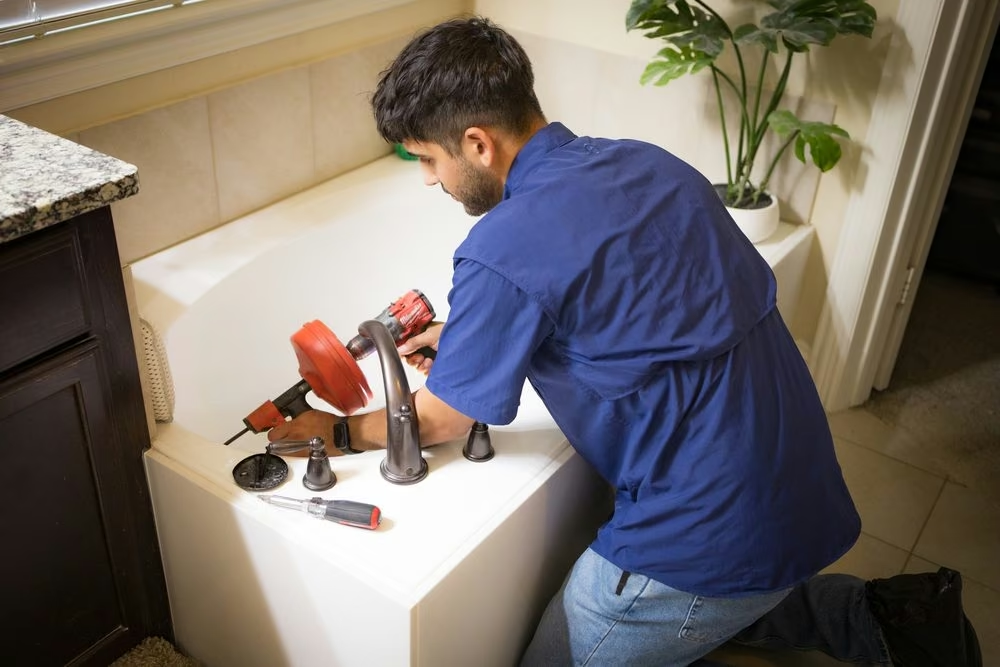
If the same drain in your house backs up every few weeks no matter how many times you’ve had it “snaked,” the clog you keep clearing isn’t the actual problem. It’s a symptom of something further down the line that a quick cable run can’t fix.
We see this constantly on service calls: a homeowner has paid for the same drain to be cleared three or four times in a year, and each time it works for a little while before the water starts backing up again. Here’s what’s usually going on, and how to tell the difference between a simple clog and a bigger issue.
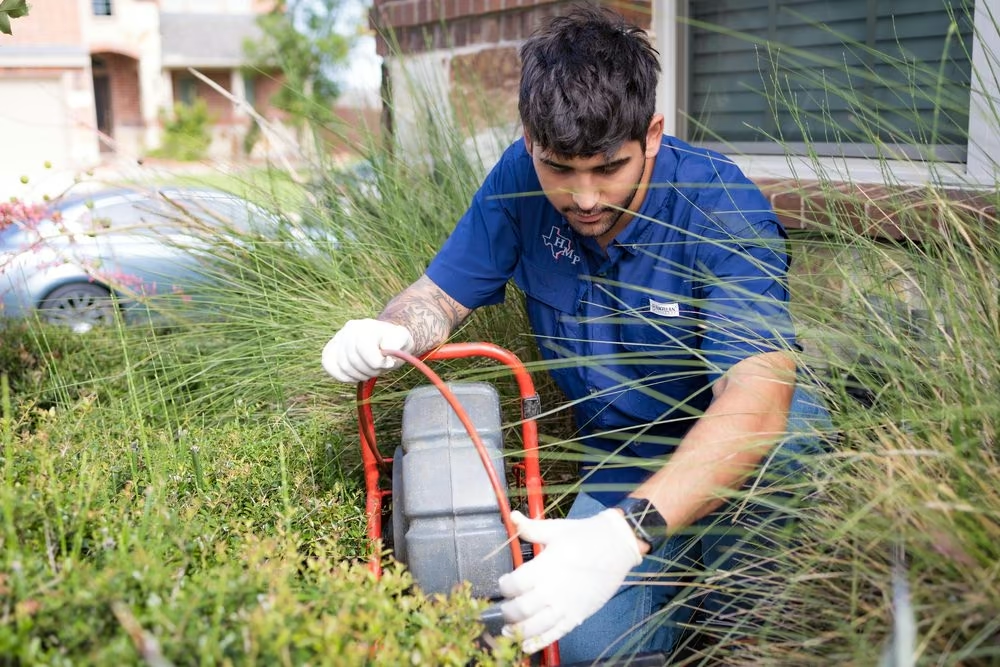
Tree roots are drawn to the moisture inside sewer lines and will work their way into even a tiny crack or joint. Once inside, they grow into a mat that catches paper, grease, and debris. A cable can cut through the mat temporarily, but the roots grow back unless the crack is repaired or the line is cleared with a hydro-jetter that actually clears the pipe walls.
Older cast iron and clay lines can settle unevenly as the soil shifts, creating a low spot, or “belly,” where waste collects instead of flowing through. No amount of snaking fixes a structural dip in the pipe; it just clears what’s sitting in it until more collects.
In older cast iron pipes especially, decades of grease and mineral buildup narrow the interior of the pipe until almost nothing flows through cleanly. A standard cable clears a channel through the buildup, but the buildup itself stays behind.
If more than one drain is affected, or the lowest drain in the house (often a garage or basement floor drain) is the one acting up, the issue is likely in the main line, not an isolated clog.
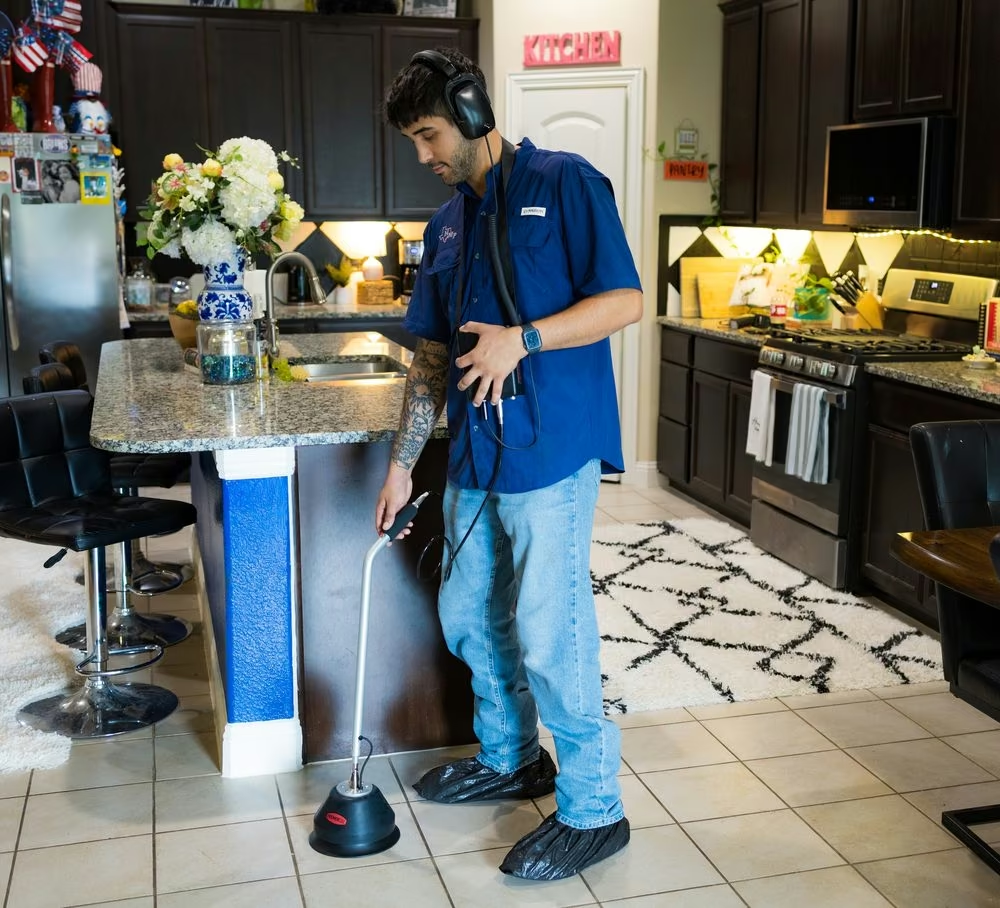
Rather than guessing, we run a camera inspection down the line to see exactly what’s happening, roots, a belly, a crack, or scale, and exactly where it is. From there we recommend the right fix: hydro-jetting to fully clear the pipe walls, a spot repair, or in some cases a trenchless pipe lining that avoids digging up the yard entirely.
A working drain isn’t just convenient, it’s protecting your home from the kind of backup that damages flooring and drywall. If you’re tired of calling for the same clog, it’s worth finding out what’s actually happening below ground.
Skip the guesswork. Get an honest answer from a licensed North Dallas team.